Electric Safety: Essential Tips for Every Homeowner
Electricity is a powerful force that makes our lives easier, but it can also be dangerous if not handled properly. As a homeowner, understanding the basics of electric safety is crucial to protect yourself, your family, and your property. This guide will provide you with essential tips to ensure your home remains a safe environment when it comes to electrical use.
Understanding Electrical Hazards
Electricity can pose various hazards, including:
Shock: This occurs when a person comes into contact with an electrical source, which can lead to serious injury or even death.
Fire: Faulty wiring, overloaded circuits, and improper use of electrical appliances can ignite fires.
Equipment Damage: Surges and shorts can damage electrical devices and appliances.
Recognizing these hazards is the first step in preventing accidents.
Regular Inspections
Conducting regular inspections of your electrical system can help identify potential issues before they become serious problems. Here are some key areas to focus on:
Check Outlets and Switches
Look for Damage: Inspect outlets and switches for signs of wear, such as cracks or discoloration.
Test Functionality: Use a simple outlet tester to ensure that outlets are functioning correctly.
Examine Cords and Plugs
Frayed Wires: Check for any frayed or damaged cords. If you find any, replace them immediately.
Proper Use: Avoid using extension cords as permanent solutions. They should only be used temporarily.
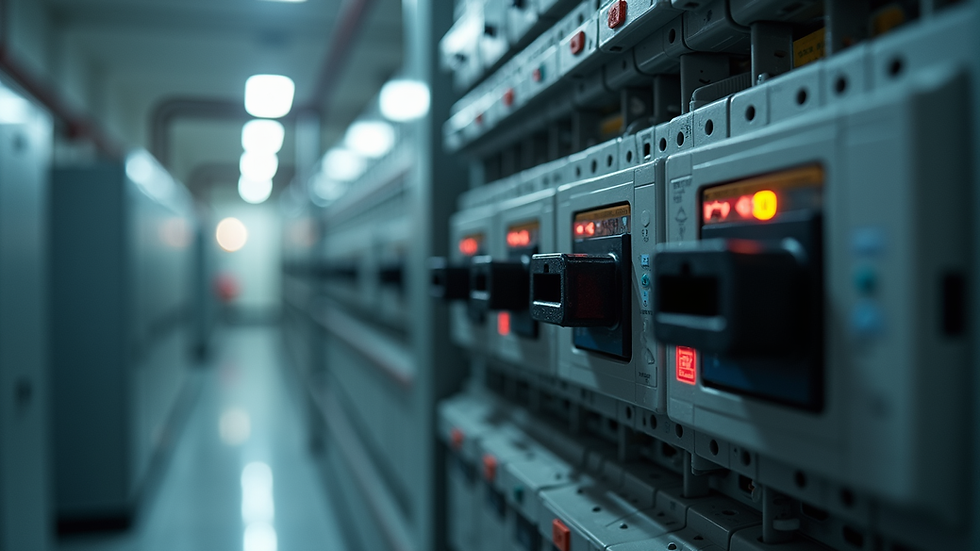
Inspect the Electrical Panel
Circuit Breakers: Ensure that circuit breakers are functioning properly and not tripped frequently.
Signs of Overheating: Look for any signs of overheating, such as discoloration or a burning smell.
Safe Usage of Electrical Appliances
Using electrical appliances safely is vital for preventing accidents. Here are some tips:
Follow Manufacturer Instructions
Always read and follow the manufacturer's instructions for any electrical appliance. This includes proper usage, maintenance, and safety precautions.
Avoid Overloading Circuits
Know Your Limits: Understand the wattage limits of your circuits and avoid plugging in too many devices.
Use Power Strips Wisely: If you need to use multiple devices, opt for a power strip with built-in surge protection.
Keep Appliances Dry
Water and electricity do not mix. Ensure that appliances are kept away from water sources, and never use them with wet hands.
Child and Pet Safety
If you have children or pets, additional precautions are necessary to ensure their safety around electricity.
Use Outlet Covers
Install outlet covers to prevent children from inserting objects into outlets. These are simple, inexpensive, and effective.
Keep Cords Out of Reach
Tidy Up: Keep cords and wires organized and out of reach of children and pets.
Secure Loose Cords: Use cord clips or ties to secure loose cords against walls or furniture.
Emergency Preparedness
Being prepared for electrical emergencies can save lives. Here’s what you should do:
Know How to Shut Off Power
Familiarize yourself with your electrical panel and know how to shut off power in case of an emergency. This can prevent further damage or injury.
Have a Fire Extinguisher
Keep a fire extinguisher rated for electrical fires (Class C) in your home. Ensure that everyone in the household knows where it is located and how to use it.
Create an Emergency Plan
Develop a plan for what to do in case of an electrical emergency. This should include:
Evacuation Routes: Know how to exit your home quickly.
Emergency Contacts: Keep a list of emergency contacts, including electricians and local emergency services.
Hiring a Professional Electrician
While many electrical tasks can be handled by homeowners, some situations require professional help. Here’s when to call an electrician:
Major Renovations
If you are planning significant renovations that involve electrical work, hiring a licensed electrician is essential. They can ensure that all work meets local codes and safety standards.
Frequent Circuit Breaker Trips
If your circuit breakers are tripping frequently, it may indicate a serious issue. A professional can diagnose and fix the problem safely.
New Installations
For new installations, such as ceiling fans or additional outlets, it’s best to consult with an electrician to ensure proper installation.
Understanding Local Electrical Codes
Every region has specific electrical codes that must be followed. Familiarizing yourself with these codes can help you ensure that your home is safe and compliant. Here are some steps to take:
Research Local Codes
Check with your local building department to understand the electrical codes in your area. This can help you avoid fines and ensure safety.
Obtain Necessary Permits
If you are planning any electrical work, make sure to obtain the necessary permits. This ensures that the work is inspected and meets safety standards.
Conclusion
Electric safety is a critical aspect of homeownership that should never be overlooked. By following these essential tips, you can create a safer environment for yourself and your loved ones. Regular inspections, safe usage of appliances, and knowing when to call a professional are all key components of maintaining electrical safety in your home. Remember, being proactive about electric safety can prevent accidents and save lives. Take the time to educate yourself and implement these practices today.


Comments